WELCOME TO WILDLIFE.NET
Share.
Inspire.
Protect.
Share. Inspire. Protect.
Conservation and protection of wildlife species and the habitats they live in are at the core of the wildlife.net mission and team ethos.
Our focus is on building a community and network of members from around the world who share our own passion for wildlife, who care about the environment we share with wildlife species and are inspired to protect nature and integrate nature into our own communities.
We also partner with organisations who are dedicated to educating all ages about the value of biodiversity and why it is important to maintain and where possible enhance a diverse range of habitats.
We are committed to partnering with businesses who promote protection of wildlife species through sponsoring anti-poaching and wildlife crime units, providing ecotourism that benefits local communities as well as wildlife, and businesses that help to provide regional networks for those who want to get involved in ocean clean-up, tree planting or the wide variety of community-based projects that deserve support and promotion around the world.
Wildlife photography and art
Wildlife photography and wildlife art has become vitally important in recent years.
Wildlife photography and art
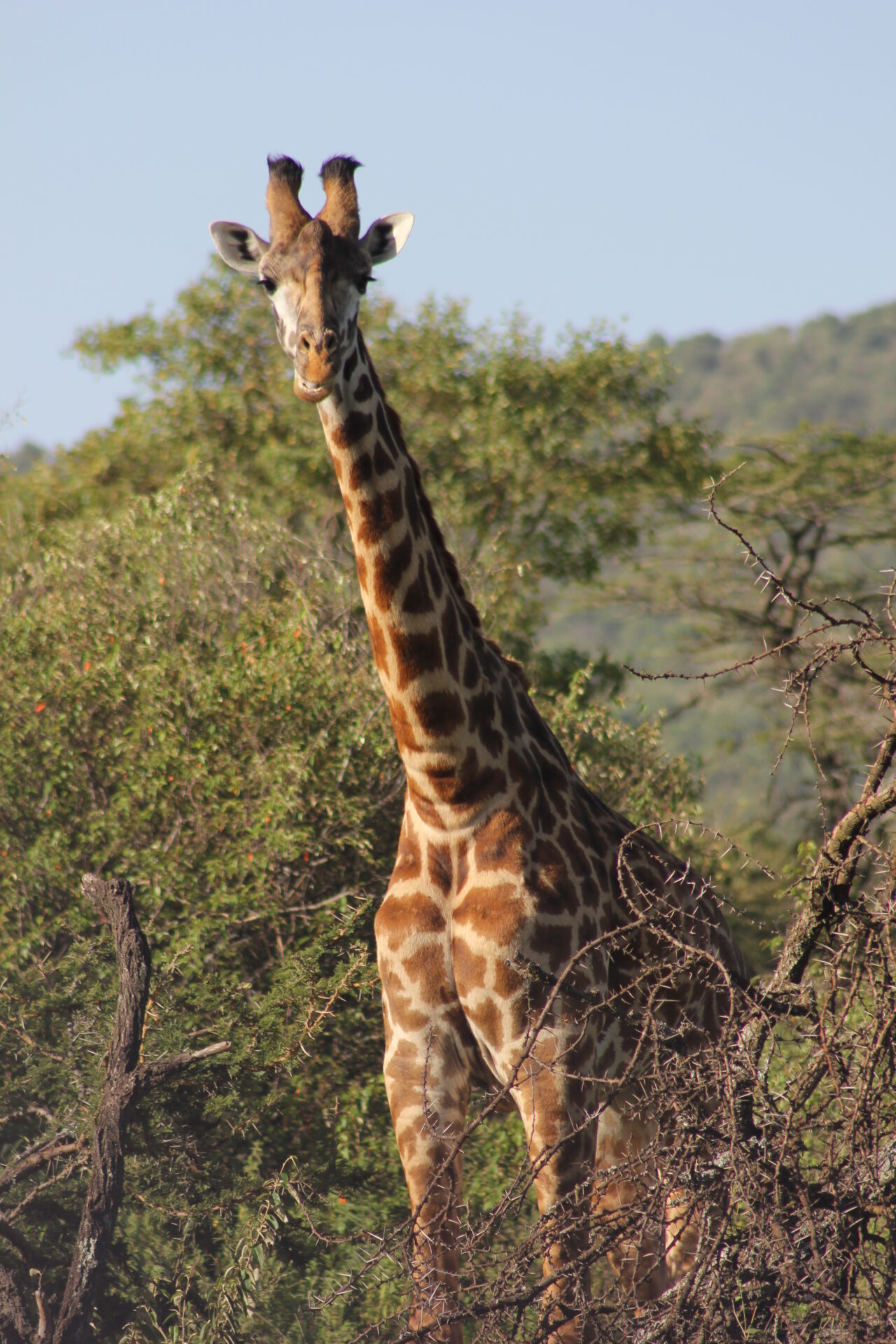
Wildlife photography and wildlife art has become vitally important in recent years.
Wildlife photography and art
Wildlife photography and wildlife art has become vitally important in recent years.
Connects those living in cities or those who are housebound to nature, enabling them to get the boost that their own physical or mental health requires.
Getting into nature is good for all of us and if you can take time to help someone else who cannot get out into nature without your assistance then consider including them if you are able to - you may be pleasantly rewarded by seeing what a difference connecting with nature makes for them.
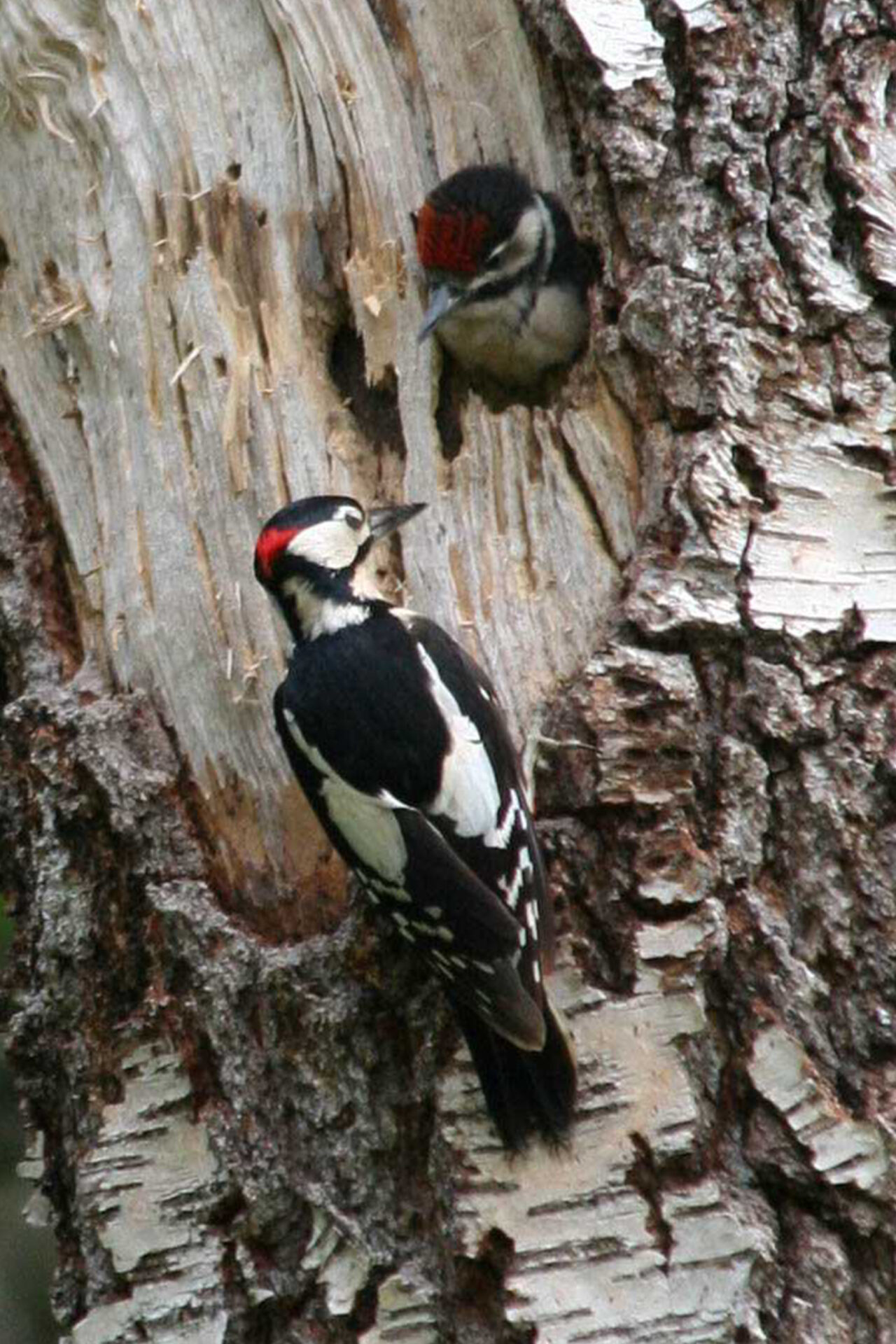
We welcome all ages and all levels of artist or photographer, a photo of a butterfly taken on a camera phone can inspire others just as much as a professional action shot of a cheetah chasing prey and a drawing by a 5-year-old child can often be as beautiful as an experienced artist's masterpiece.
From the founder
I received a letter from Sir David Attenborough in 2016 and it was his words that inspired me to establish Wildlife.net to create a platform from which to make a difference for people and Wildlife.
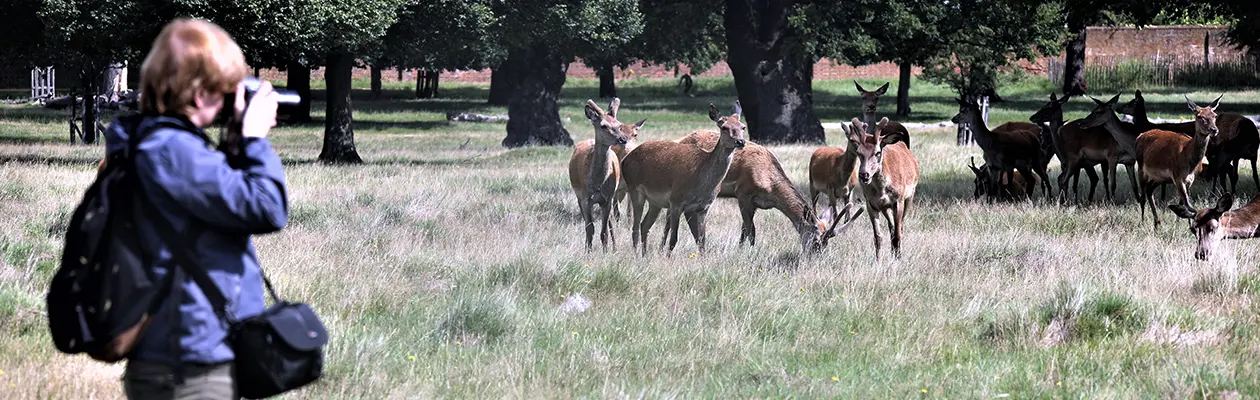
As the founder of Wildlife.net and on behalf of the amazing team that encourage and support me, and several wildlife experts who generously share and engage on social media from around the world, I welcome you and hope you engage with us and others by sharing and inspiring! Even if you do not own a paint brush or a camera you can get involved by asking questions or showing appreciation to contributors with encouraging comments.
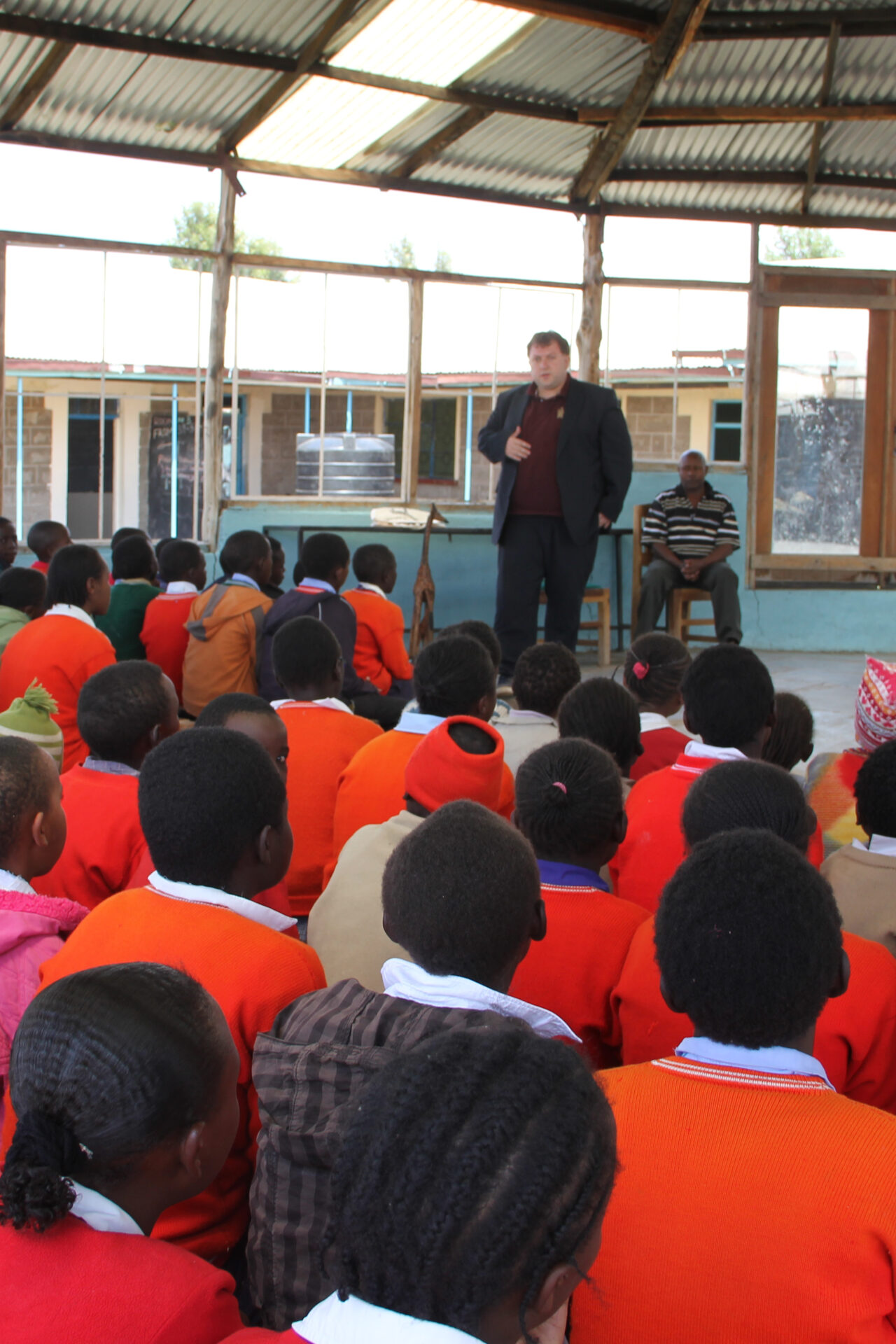
I hope you join our network and help to make that difference that wildlife and nature needs right now!
I have personally been fortunate enough to live and work in different continents around our planet and consequently given an opportunity to see what an incredibly diverse range of species we have and witnessed the challenges wildlife faces as well as the appreciation so many local communities have for nature around the globe.
Sharing wildlife photographs and art helps to inspire others to care more about wildlife species, once people care they become more tuned into wanting to protect the habitats that are home to these species.
Stewart Guy LL.B (Hons), PgDip
Naturalist
Founder of Wildlife.net